In a world where food tech is changing faster than a chef can yell, “Order Up.”, the latest innovations are nothing short of a culinary revolution. From the rise of plant-based alternatives to the smart farming techniques that make farming look like a high-tech operation, the future of food is here, and it’s deliciously exciting. Buckle up for this tasty journey through the innovations shaping how we eat, cook, and think about food.
Emerging Trends in Food Technology
Plant-Based Alternatives and Sustainable Practices
The food industry is witnessing a shift towards healthier, environmentally friendly alternatives that not only satisfy the palate but also the conscience. Plant-based options are no longer just a fringe choice: they’ve hit the mainstream faster than you can say “tofu burger.” Major fast food chains are adding plant-based items to their menus, capturing a growing demographic seeking sustainability without sacrificing taste. This trend isn’t just a fad: it reflects a societal shift towards reducing carbon footprints and addressing climate change. Consumers are craving options like beyond meat and almond milk, creating a ripple effect that pushes even traditional meat and dairy producers to innovate.
Smart Farming and Precision Agriculture
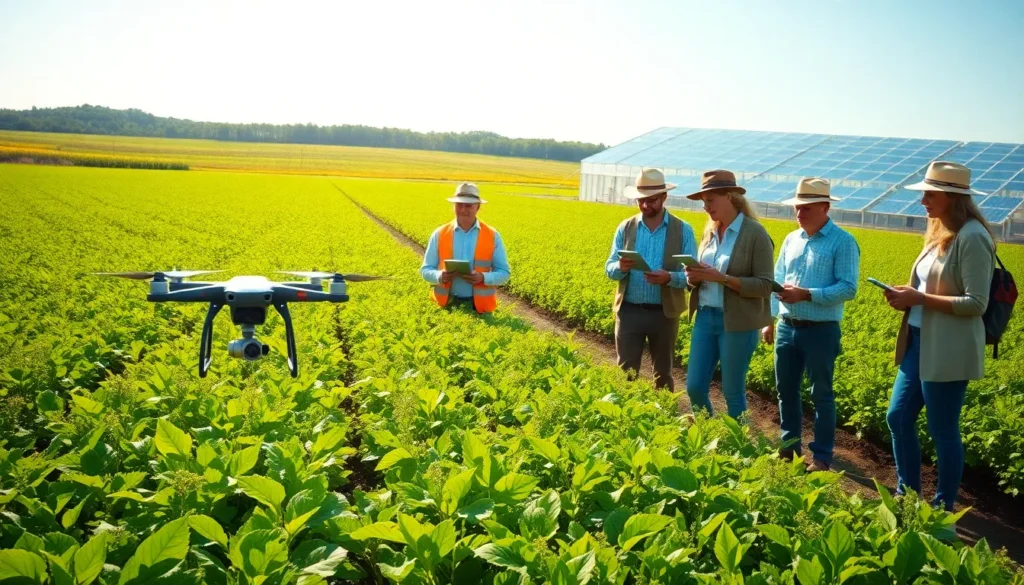
Smart farming is transforming the agricultural landscape by employing technology to maximize crop yields while minimizing waste. Farmers are now using drones, sensors, and AI to monitor their fields. This precision agriculture enables them to apply water, fertilizers, and pesticides exactly where and when needed, reducing costs and environmental impact. The use of IoT devices is enhancing efficiency, allowing for real-time monitoring and decision-making. As more farmers adopt these technologies, the future of food production looks brighter and more sustainable than ever.
Food Safety and Traceability Innovations
Blockchain Technology in the Food Supply Chain
When it comes to food safety, consumers are increasingly concerned about what goes into their plates. Blockchain technology is making waves by providing transparency and traceability in the food supply chain. With this technology, food products can be tracked from farm to fork, ensuring that all parties adhere to safety standards. If a foodborne illness is detected, tracing the source can happen in a matter of minutes rather than days, this enhances public confidence in food safety. Business leaders are waking up to the benefits of blockchain, not only for safety but also for building trust with consumers.
AI and Machine Learning in Food Production
Artificial intelligence and machine learning are revolutionizing food production. From predictive analytics that forecast demand to automation in processing, the benefits are endless. AI can analyze vast amounts of data, helping companies optimize their supply chains and cut costs. For instance, machine learning algorithms can predict spoilage rates, allowing for better inventory management. These technologies are not just streamlining operations: they are also improving the quality and safety of food.
Consumer-Focused Innovations in Food Technology
Personalized Nutrition and Diet Planning
As health consciousness grows, so does the demand for personalized nutrition. Companies are leveraging data to offer tailored meal plans that meet individual dietary needs and preferences. From apps that analyze your DNA to suggest suitable diets to services that curate personalized food boxes, the options are endless. This focus on individual health not only empowers consumers but also opens a new frontier in nutrition science.
Food Delivery Apps and Ghost Kitchens
Food delivery apps are changing how we eat, especially in a post-pandemic world where convenience reigns supreme. Ghost kitchens, or virtual kitchens that service delivery-only orders, are thriving, making it easier for new restaurants to enter the market. These innovations are redefining dining experiences, allowing customers to enjoy their favorite meals from the comfort of their homes. With delivery apps facilitating the process, the food landscape has expanded, offering more options than ever before.
Impact of Food Tech on Global Food Security
Solutions to Address Food Waste
Food waste is a pressing global issue, and food tech has a crucial role in addressing it. Startups are developing technologies to track and minimize waste throughout the supply chain. From apps that connect consumers with surplus foods from groceries to innovations in food preservation, such strategies are not only economically viable but also socially responsible. Reducing food waste can redirect resources to feed those in need.
Technological Advances in Food Distribution
Advances in food distribution logistics are also contributing to food security. With the rise of AI and automation, food can be distributed more efficiently and effectively. Technologies allow for smarter routing and scheduling, minimizing delivery times and reducing costs. As these efficiencies improve, they contribute to a more reliable food supply, bridging gaps in local food systems and enhancing global food security.